Home




URIS I
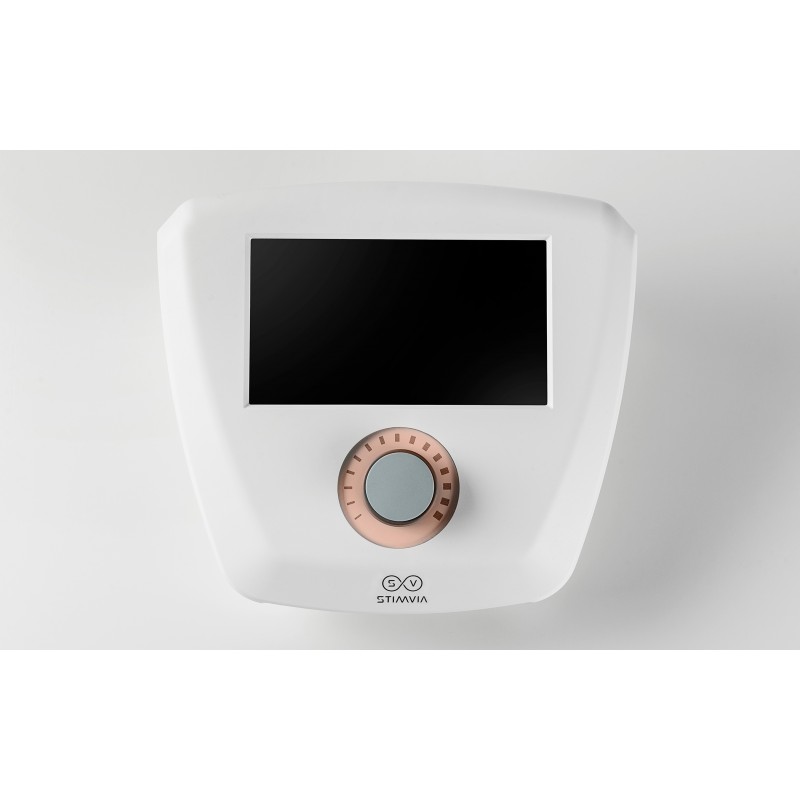
Nerve stimulator URIS I is a Class IIa medical device intended for the treatment of lower urinary tract symptoms, specifically urgency, frequency, nocturia and incontinence.
About URIS I
It uses non-invasive electrical transcutaneous neuromodulation of the peripheral nerves or percutaneous electrical stimulation of the tibial nerve, referred to as percutaneous tibial nerve stimulation (PTNS). These methods are intended to influence the neural control of the lower urinary tract at the peripheral, spinal and supraspinal levels.
-
The URIS® device operates on the principle of electrical transcutaneous nerve modulation (eTNM®). Thanks to specially designed electrodes, it enables stimulation of nerve pathways without disrupting the integrity of the skin.
-
Before use, carefully read the instructions for use and the information relating to the safe use of the medical device.
-
URIS® and a treatment of overactive bladder (OAB)
Our first clinical target was the treatment of OAB, in which we have achieved excellent results. We also expect to achieve similar results in other clinical areas.
-
Specifically, in the treatment of an overactive bladder, we have observed an 80% reduction in the incidence of undesired episodes of urge to void and a significant activation of brain structures previously involved in the perception of a bladder filling. The stimulation consisted of two parts:
-
Phase 1: the intensive phase. A patient is stimulated over the course of 6-12 weeks. Stimulation occurs daily for 30 minutes per day. Our device relays data back to doctors allowing them to adjust the stimulation parameters to each patient’s exact needs in order to achieve maximum treatment effectiveness.
-
Phase 2: the maintenance phase. Stimulation frequency is gradually reduced from daily to weekly stimulations with the goal of eventually only requiring a single stimulation session per month.
-
Related Products

bk 5000 Ultrasound System
-High-resolution, real-time images with clear anatomical details -Superb images instantly - no adjustment needed -Wide range of specialized and sterilizable transducers for a variety of clinical settings -Simple workflow and small footprint


AMS 800™ Urinary Control System
Over 200,000 patients have been treated with AMS 800™ Artificial Urinary Sphincter. Artificial urinary sphincters are the gold standard treatment for male stress urinary incontinence (SUI) following prostate surgery.

HIFU - Targeted Prostate Ablation System
High Intensity Focused Ultrasound (HIFU) ablates prostate tissue using targeted ultrasound energy while leaving surrounding tissue unharmed.Powered by focused ultrasound, the Sonablate system is a minimally invasive device that delivers precise and focused ablative energy.

Water-Charged Catheters
FEEL THE FLOWUrodynamics made easy with MMT MMT Urodynamic systems have been developed with/by clinicians, listening to their needs and requirements.
Air-Charged Catheters
“URODYNAMICS MADE EASY“ WITH ATMOS -------- ATMOS air-charged catheters are designed for maximum patient comfort and ease of use for the clinician.
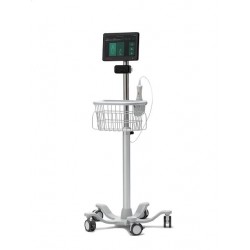
Vitascan cVue
Experience precision and reliability with the Vitascan cVue bladder scanner.Designed with hospital environments in mind, its seamless and secure integration ensures that healthcare professionals can optimize patient care efficiently
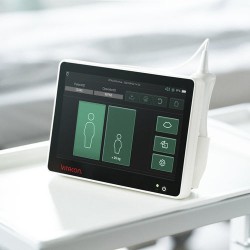
Vitascan eVue
Vitascan eVue - a portable standalone solution.Crafted for portability, its effortless integration guarantees healthcare providers can enhance patient care with utmost efficiency. It distinguishes itself as the top selection for primary healthcare.